




In daily life and various business premises, rats are undoubtedly the most troublesome "uninvited guests." In homes, they roam freely in kitchen cabinets, gnaw on food, damage tableware, and may carry various germs, threatening the health of family members. In warehouses, rats gnaw on packaging, damaging goods and causing direct economic losses. In restaurants, the presence of rats seriously affects hygiene and customer experience, bringing a significant negative impact on business.
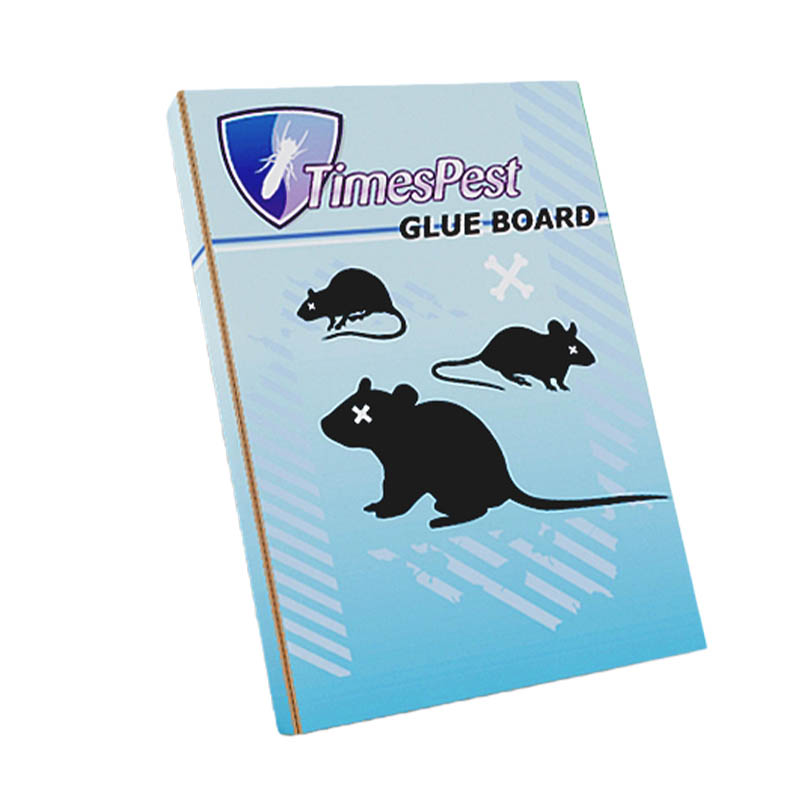
In the operation and management of properties, hotels, supermarkets, and various public places, rodent infestations have always been a tough nut to crack. In residential communities, rats roam freely in hallways and basements, gnawing on electrical wires, damaging public facilities, and potentially carrying germs, threatening residents' health and safety. Hotels, as places for guests to rest, are severely affected by rats, impacting customer experience and damaging the hotel's reputation.
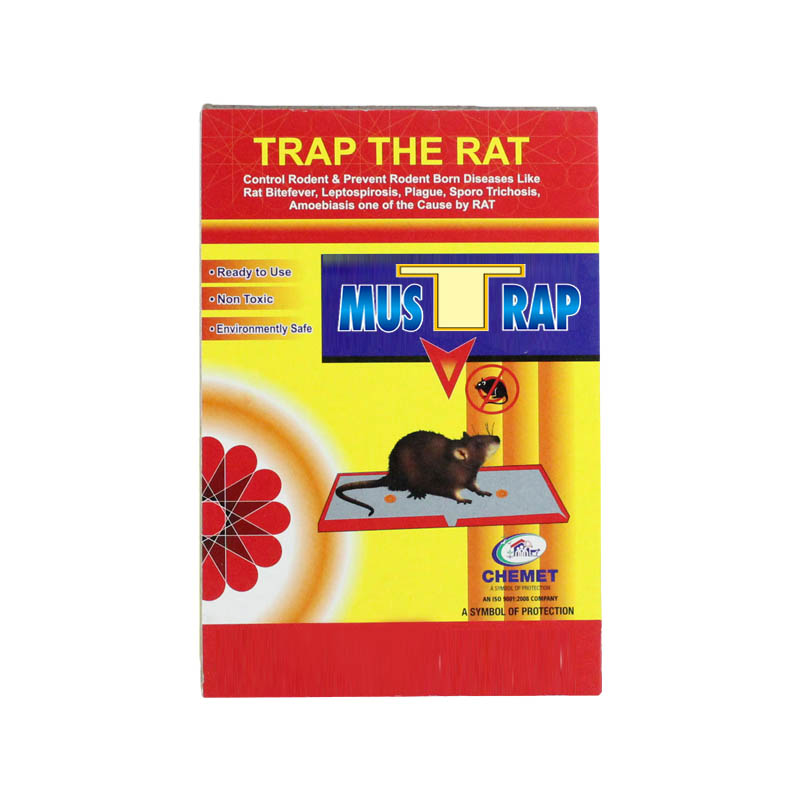
In home life, the sudden intrusion of mice is like an uninvited guest causing a "farce," always a headache. They scurry through kitchen cabinets, gnaw on food packaging, contaminating our food; they set up camp in bedroom corners, leaving unpleasant odors and bacteria; they even gnaw on electrical wires, posing a serious threat to household electrical safety. Traditional rodent control methods, such as rat poison, may not only accidentally harm pets and children but also cause environmental pollution; mousetraps can be very noisy, disturbing family members' rest.
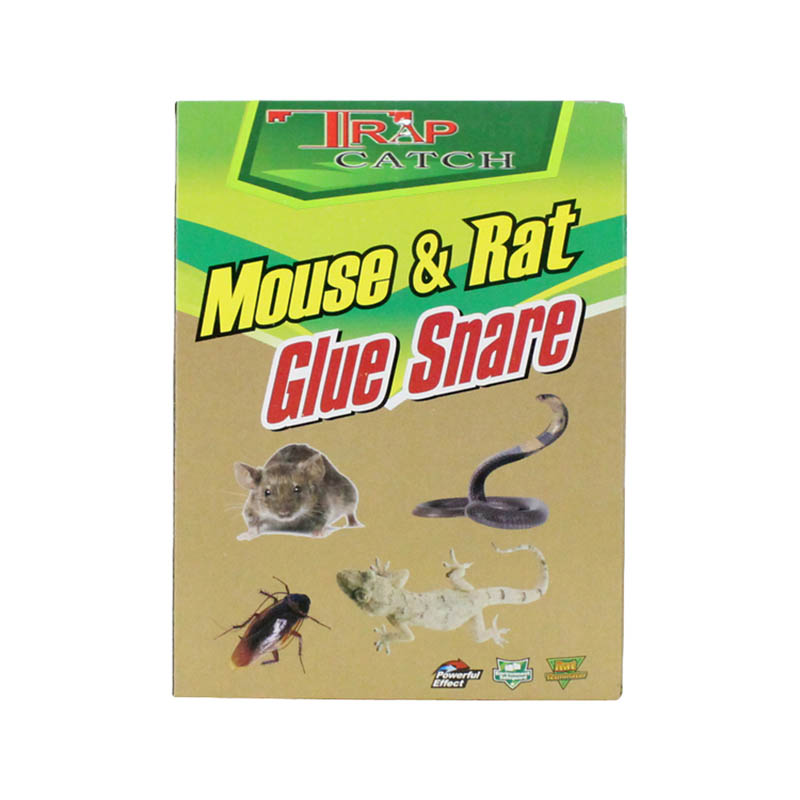
In outdoor environments, rat infestations often cause numerous problems for our lives. Whether in a quiet rural courtyard, a well-equipped park corner, or the surrounding areas of factories and warehouses, rats can silently sneak in, gnawing on belongings, spreading diseases, and destroying our carefully crafted outdoor spaces. Traditional rat control methods are often inconvenient and ineffective when used outdoors.
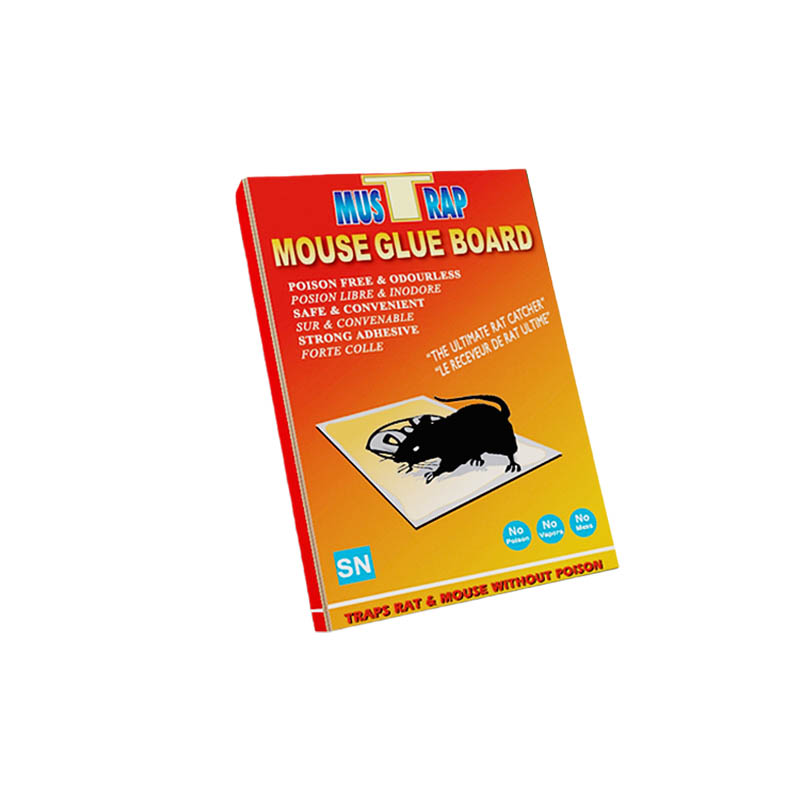
In large areas like warehouses, workshops, and farms, rodent infestations are like a stubborn "protracted war," constantly threatening the normal operation of the premises and the safety of goods. In warehouses, rats dart among mountains of goods, gnawing on packaging and contaminating food, causing incalculable economic losses. In workshops, they gnaw on electrical wires and damage equipment, affecting production schedules and potentially causing safety accidents.
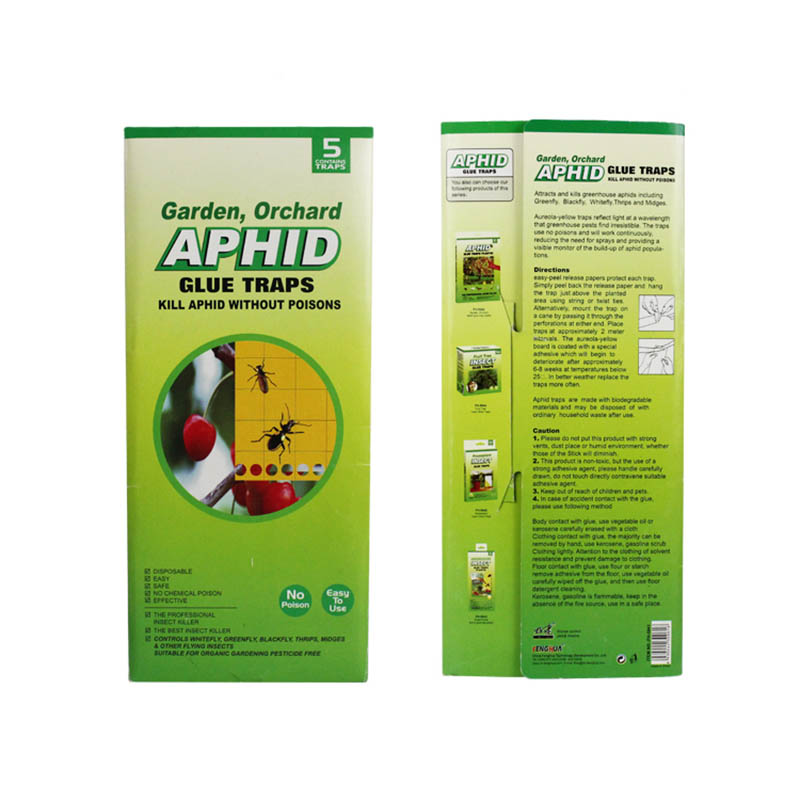
In the vast fields of agriculture or the cozy little world of home gardening, pest infestations have always been a troublesome problem. Aphids, like greedy little devils, suck the sap of plants, causing once vibrant leaves to wither and curl; whiteflies swarm in droves, densely clustering on the undersides of leaves, not only affecting photosynthesis but also spreading various diseases; fruit flies buzz around fruits, waiting for an opportunity to lay eggs, causing the sweet fruit to rot and spoil; mosquitoes and flies are ubiquitous, not only disturbing people's lives but also potentially spreading diseases.